
If you run the Tabuk branch of a contractor, a supplier or a hotel, the people who decide whether to work with you have often never met you. They might sit in a project procurement office, or be planning a trip to the coast from another city. Good web design Tabuk businesses can rely on starts with that reader: a site that proves capability to a reviewer and makes booking easy for a visitor. This guide covers what to publish for prequalification, how your site relates to supplier portals, Arabic versus English, and how to run the project without a local agency.
In short:
- In Tabuk your website is often read by strangers first: procurement teams, project engineers and visitors from elsewhere.
- Contractors and suppliers need pages that prove capability: scoped services, equipment, valid certificates, delivered work and a downloadable profile.
- A website does not replace registration on a project's supplier portal, and the portal does not replace the website. Keep the two consistent.
- Hotels, tour operators and farms need real photos, an accurate map pin and one obvious way to book or order.
- Choose a provider on written scope, a preview before launch and a domain in your company's name, not on how close their office is.
In this guide
Who looks at a Tabuk company website
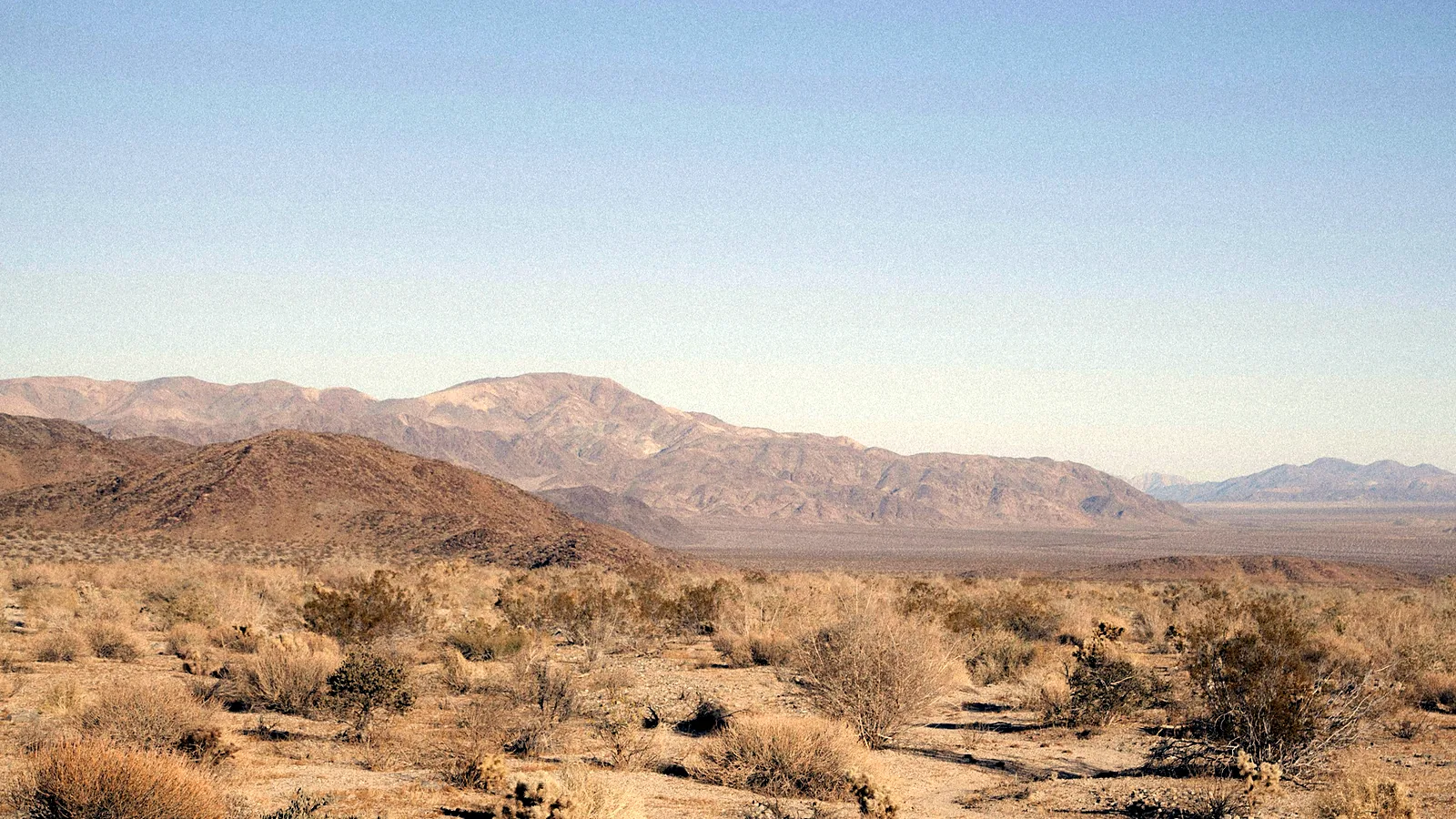
Visit Saudi, the official tourism site, describes the Tabuk region as the start of the Kingdom's Red Sea coast, with seaside towns, desert, mountains in the north and historic sites, and as the location of NEOM. For a business owner, that mix means three quite different readers arrive on your website, each with their own question.
The reviewer
An engineer or procurement officer at a main contractor, consultant or developer, deciding whether your company belongs on a shortlist. He reads carefully, on a laptop, and often forwards your link to colleagues. His question: can this company do the work, safely, at the scale we need?
The visitor
A family planning a holiday, a group heading into the desert for a day, or an employee posted to the region for a few months. He decides on a phone, often before arriving. His question: what exactly do I get, where is it, and how do I book?
The resident
Someone who lives in Tabuk and needs a clinic, a workshop, a supplier or a restaurant. He knows the city and compares nearby options. His question: are you open, and how do I reach you?
Many foreign-owned companies in the region serve the first group and forget the other two. A hotel serving project staff faces the reverse problem: its site is written for tourists, while half its guests come on corporate stays. Decide which reader matters most to you, then design the first screen for him. That single decision shapes web design in Tabuk more than any choice of colours or platform.
Your website is the first meeting with a client who has not met you yet. Make it answer the way you would.
Web design Tabuk for contractors: building a site that survives prequalification
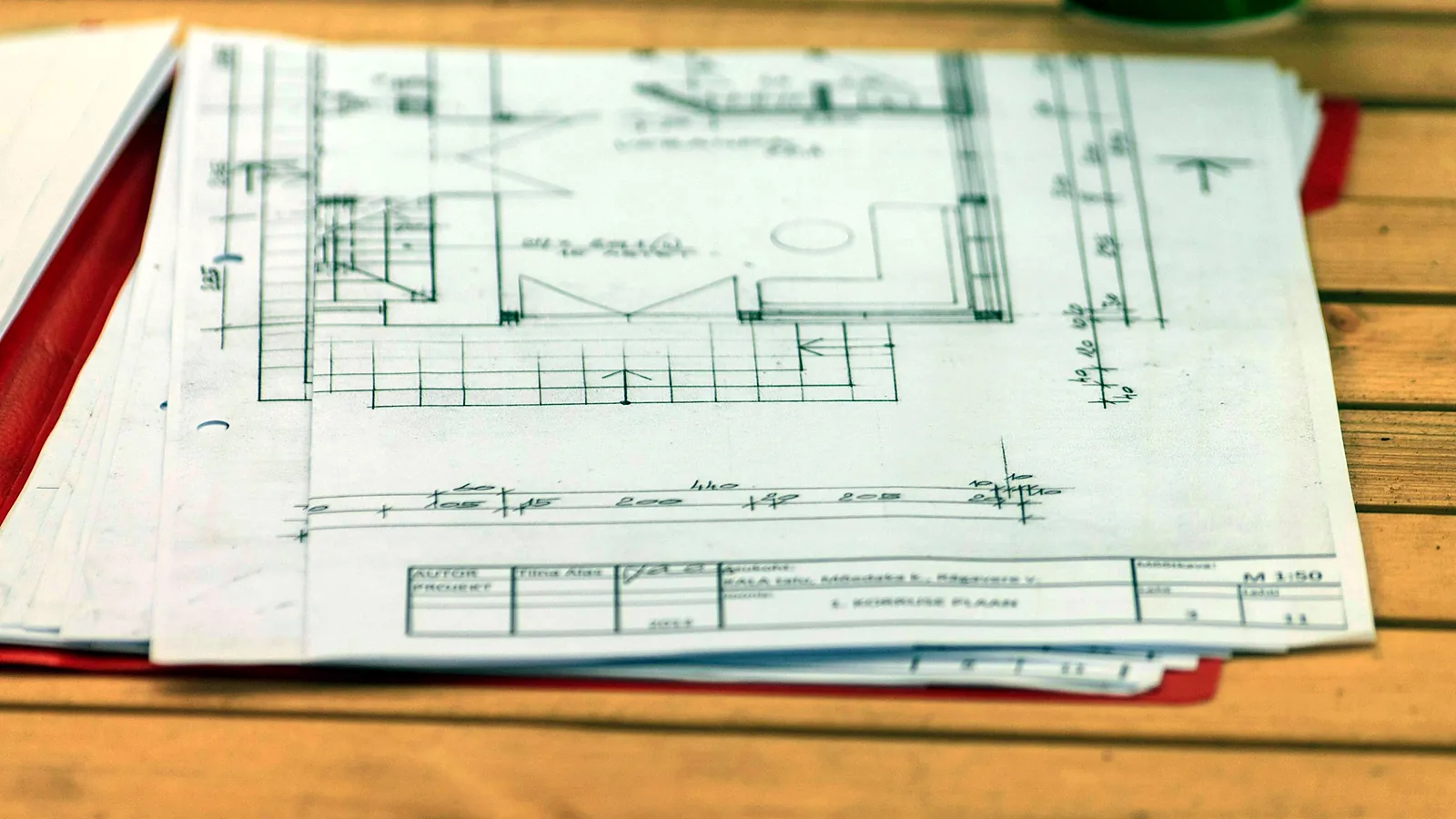
Prequalification reviewers work through a list. They want the same facts from every company so they can compare like with like. A website that hides those facts behind slogans makes their job harder, and the easiest response is to move on to the next name. These are the pages that carry the weight:
Scoped services
One page per main service, with what is included, what is not, and where you work. "Full MEP solutions" tells a reviewer nothing; "HVAC installation and maintenance for commercial buildings in the Tabuk region" does.
Equipment and capacity
Types, capacities and numbers available, with real photos from your yard or workshop. If you rent equipment, say whether an operator is included.
Certificates and HSE
Only certificates that are currently valid, ideally with expiry dates, plus a short summary of your health and safety approach. An expired certificate on display does more harm than none.
Delivered work
Short project descriptions: type of facility, general location, your scope, duration and photos. Without written permission, describe the project without naming the client or showing its logo.
The Saudi entity
Your legal name in Arabic and English as registered, commercial registration number, national address and official contact details. Reviewers check these before they call.
Profile and RFQ
A current PDF company profile to download, and a short request-for-quotation form that accepts attachments such as drawings or bills of quantities.
Our guide to company profile website pages goes deeper on structure, and B2B websites in Saudi Arabia covers how business buyers read a site.
Group website or a local site?
Foreign-owned companies often point Saudi clients to the global group website. That site may be impressive, but it rarely answers a Tabuk reviewer's questions: which entity is registered in the Kingdom, who the local contact is, and what the local team actually does. You have two sensible options. Either add a proper Saudi section to the group site, with its own pages, contacts and projects, or run a separate local site that links back to the group. What does not work is a single "Middle East" page with a contact form that goes to another country.
What to publish, what to send, what to keep in the portal
Large projects usually run procurement through supplier portals. NEOM's official suppliers page is a clear example: companies register through its supplier portal, which the page describes as free and open to any company, submit company details and supporting documents, and receive a supplier questionnaire once approved. The same page states that registering does not guarantee invitations to tenders, that the procurement team uses the database to invite suitable suppliers, and that companies already registered on the underlying procurement platform still need to register with NEOM. It also advises keeping all information complete and up to date.
So the portal is how you enter a tender, and your website is where people check you out when they want to know more. Not every document belongs in every place. A practical split:
| Item | Public website | PDF profile, sent on request | Supplier portal only |
|---|---|---|---|
| Services, scope and service area | Yes, in full | Summary | As the portal's categories require |
| Commercial registration and national address | Yes | Yes | Yes, with the documents |
| Valid certificates | List with expiry dates | Copies or list | Uploaded certificates |
| Project references | Described, client named only with permission | More detail, still with permission | As requested in the questionnaire |
| Equipment list | Main types and capacities | Full list | As requested |
| Key personnel CVs | Names and roles at most | Short bios | Full CVs if asked |
| Financial statements | No | No | Only if the portal asks for them |
The rule behind the table: publish what helps a stranger trust you, send what helps a shortlist compare you, and upload what a formal process requires. Then check the three versions say the same thing. If the portal lists six service categories and your website shows four, someone will notice. And never describe yourself as an "approved supplier" to a project unless you have that approval in writing.
Worked example: a foreign-owned subcontractor setting up in Tabuk
Take a hypothetical firm: a mechanical and electrical subcontractor with its group headquarters abroad, now opening a Saudi entity with a site office and yard in Tabuk. The local manager is an expat engineer, the operations team is mixed, and enquiries arrive in English from project offices and in Arabic from local developers. A useful site plan looks like this:
- Home: one sentence on what the company does and where, three core services, recent projects in the Kingdom, and a "Request a quote" button.
- Services: one page each for HVAC, electrical and plumbing works, with scope, exclusions and typical project types.
- Projects: Saudi projects first, then selected group projects clearly labelled as delivered by the group abroad, so nobody mistakes them for local experience.
- HSE and quality: valid certificates, the safety approach in a few paragraphs, and who is responsible locally.
- About the Saudi entity: legal name, commercial registration, national address, the local management team if they agree to be named, and the relationship to the group.
- Company profile: English and Arabic PDFs with a visible "last updated" date.
- Careers: optional, but useful when you recruit locally for project work.
- Contact: site office on the map, a direct number in +966 format, WhatsApp, a monitored email address, and working hours.
Two details matter more than they look. First, the RFQ form: five or six fields are enough, and replies should go to a named person who answers the same day. Second, the project labels: mixing group and local projects without saying which is which is the fastest way to lose a careful reviewer's trust.
If your firm leans towards industrial services or transport rather than building works, the page on websites for factories and industrial companies and the one on logistics and transport websites show how the key pages shift.
Arabic for the market, English for the project office
Expat-led teams often build an English site and plan to "add Arabic later". In Tabuk that leaves a gap. Local developers, landlords, government-facing clients and many customers read Arabic first, and they notice when the Arabic version is missing or machine-translated. The opposite gap exists too: many local firms have a strong Arabic site and a single English page that a project office cannot use.
- Contractors and suppliers: both languages, complete. English for project teams and technical correspondence, Arabic for local clients and partners.
- Hotels and serviced apartments: both languages if you host corporate guests or visitors from abroad. A guest on a work posting may not read Arabic.
- Local shops and clinics: Arabic first, English when your own messages and calls show the need.
A bilingual site is two full versions with a proper interface for each, not a translated overlay. Write the English in the terms buyers search for, such as crane hire, scaffolding or MEP, rather than translating Arabic headings word for word. Use +966 phone formats and the usual spelling of place names. Our bilingual website design guide explains layout, direction and navigation in detail.
Assign a person to each language. Someone has to answer English emails, someone has to update Arabic prices, and someone has to check that both versions say the same thing about scope and terms.
Hotels, serviced apartments, tour operators and farms
Visit Saudi highlights the region's seaside towns, clear water and beaches, as well as its desert, mountains and heritage sites. Businesses that host or guide visitors need websites that answer practical questions before anyone sends a message.
Hotels and serviced apartments
One section per unit type with real photos, capacity, what the price includes, and check-in and cancellation rules. If you host project staff on long stays, give them their own page: how to request monthly rates, invoicing in the company's name, internet, parking and a workspace in the unit. Corporate guests and holidaymakers want different things, so do not make one page serve both. See our page on websites for hotels and furnished apartments.
Tour operators, camps and chalets
The visitor wants to know what will actually happen. Publish the day's programme by the hour, the meeting point as a map pin, the driving time you measured yourself, what to bring, and what happens if the weather changes. If your activity requires a tourism licence, show the licence details clearly. When bookings start to overlap, an online booking system that only shows free slots saves a lot of back-and-forth; it is quoted separately after a consultation.

Farms and food suppliers
Farms that sell to restaurants, shops or distributors in other cities deal with buyers who may never visit. A "what we grow and when" page, listing each product with its approximate season, helps them more than a large photo gallery. Add a wholesale enquiry form asking for product, quantity, city and delivery date. Selling to individuals as well? Start with a price list and a WhatsApp button, and move to an online store only when orders justify it.
Across all of these, three habits pay off: a WhatsApp button with a pre-written message that includes dates and party size, a map pin on the real entrance rather than the middle of a district, and prices and photos updated before each busy period rather than during it.
Choosing a provider and running the project remotely
A search for web design Tabuk providers usually returns a short list, and there may be no need to hire locally at all. A company website, a hotel site or a farm site is reviewed on screen and agreed in writing, so distance matters far less than method. A well-run remote project looks like this:
Short call
You explain the business, the readers you care about and the main goal: quotation requests, bookings or wholesale orders. Our website brief template helps you prepare.
Written scope before payment
Pages, languages, features, price and what is covered after launch, all in one written message or quote.
Content and photos
Logo, registration details, services and real photos from your yard, hotel or farm. Clear daylight phone photos beat stock images.
Preview link
You review the design on your phone and laptop, share it with your partner or head office, and send numbered feedback in one message.
Launch and follow-up
The site goes live on your domain, connected to Google Search Console with a sitemap, and you know exactly whom to contact for changes.
Before you choose anyone, in Tabuk or elsewhere, get written answers to these questions:
- Did they ask about your buyers and how they decide before talking about colours?
- Whose name is the domain registered in? It should be your company's.
- Who writes the content, and is the Arabic or English version written properly or machine-translated?
- Will you see the design on a preview link before launch, and what happens if you do not like it?
- What is included after launch: hosting, updates, backups and support?
- How are later additions priced, such as a new page or a booking system?
Treat three things as warning signs: a promise of first place on Google by a certain date, a verbal price with no written scope, and a domain registered in the provider's name. More detail is in how to choose a web design company.
Working with Webnaa from Tabuk
Webnaa is a Saudi web design company based in Riyadh. We do not have an office in Tabuk; we serve businesses there remotely, by phone, WhatsApp and preview links, exactly as described above. Our website design service starts from SAR 39 a month for a one-page, one-language site on a Webnaa subdomain. The price of a site on your own domain depends on its type, languages and number of pages, and you can see it in seconds in the price calculator. Every plan includes:
- Content written for you, in Arabic, English or both, with a full interface for each language.
- The design sent on a preview link within 24 hours of receiving your complete information, before it goes live on your domain.
- Hosting and SSL, and a domain in your name on every own-domain site.
- A money-back guarantee if you do not like the design during the design stage.
- A consultation that is always free, whether you need a capability site or are weighing up a booking system.
Booking systems, landing pages for ad campaigns and online stores are quoted in writing after the consultation. Nobody can promise a ranking on Google, and we will not; what we deliver is a clear, fast site that is technically set up to be found.
A website that presents your Tabuk business properly
Check your price in the calculator, then send us your details and review the design on a preview link before launch.
Working across more than one city? See our guides to web design in Madinah and web design in Riyadh.
FAQ
How much does web design cost in Tabuk?
There is no Tabuk price. Cost depends on pages, languages, features, who writes the content and what is covered after launch, so compare quotes over two or three years rather than on the first invoice. At Webnaa prices start from SAR 39 a month, and the price calculator shows the price of a site on your own domain.
Is registering on a project's supplier portal enough without a website?
The portal is the formal route into that organisation's tenders, but only its team can see your entry, and registration alone does not mean you will be invited. Your website is what engineers and buyers open when they want to check you or forward you to colleagues. You need both, saying the same thing.
Should our English site be a copy of the group website?
No. Reuse the group's brand and design if you like, but the Saudi pages need local facts: the registered entity, local contacts, local projects and a team that answers. A reviewer in Tabuk is assessing the company he will contract with, not the group in general.
Do we need an Arabic version if our clients are international project teams?
Usually yes. Local developers, partners and many customers read Arabic first, and a proper Arabic version signals that you are established in the Kingdom. Build both versions completely rather than adding a short Arabic page.
Can we list our clients' names on the website?
Only with written permission. Many large organisations have strict rules about this. Describing the facility type, location, scope and duration is usually enough to show experience.
How soon will a new website appear on Google?
Pages can be indexed within days or weeks of launch once a sitemap is submitted, but appearing for competitive searches usually takes longer and depends on content, links and a complete map profile. No one can promise a position by a date.
Summary
Web design in Tabuk starts with one question: who reads your website before they know you? If it is a reviewer, give him scoped services, equipment, valid certificates, delivered work and a current profile, consistent with what you registered on supplier portals. If it is a visitor, give him real photos, an accurate pin and an easy way to book. If it is a resident, give him your address, hours and a number that answers. Build Arabic and English properly where both audiences matter, and choose your provider on method rather than distance.
Sources: Visit Saudi: Tabuk and NEOM: suppliers page, both consulted in November 2026. For service terms: Webnaa pricing and terms and conditions.