
Yanbu runs on two very different kinds of visitor. One arrives with a hard hat and a purchase order for the refineries and the port; the other arrives with a dive bag for the Red Sea reefs. Many local businesses serve both, and a good number of the people choosing between them read in English. This web design Yanbu guide is for contractors, suppliers, hotel managers, dive operators and the bilingual teams who run their websites. It covers who you are really writing for, what each type of business needs on its pages, how to win a place on a buyer's shortlist, and how to make a dive or hotel booking feel safe.

In short:
- Decide which Yanbu you sell to: the industrial and port economy, which buys on specifications and evidence, or the coast, which buys on photos and trust.
- Supplier and contractor sites need a capability page, current certificates, project references, a bilingual profile to download and a working quote request form.
- Dive and boat operators should publish requirements, what the price includes, how the day runs, the weather policy and the exact meeting point.
- Hotels serve weekday project staff and weekend families. Give each a clear route from the home page to the same rooms.
In this guide
Two economies, four readers: who a Yanbu website is really for
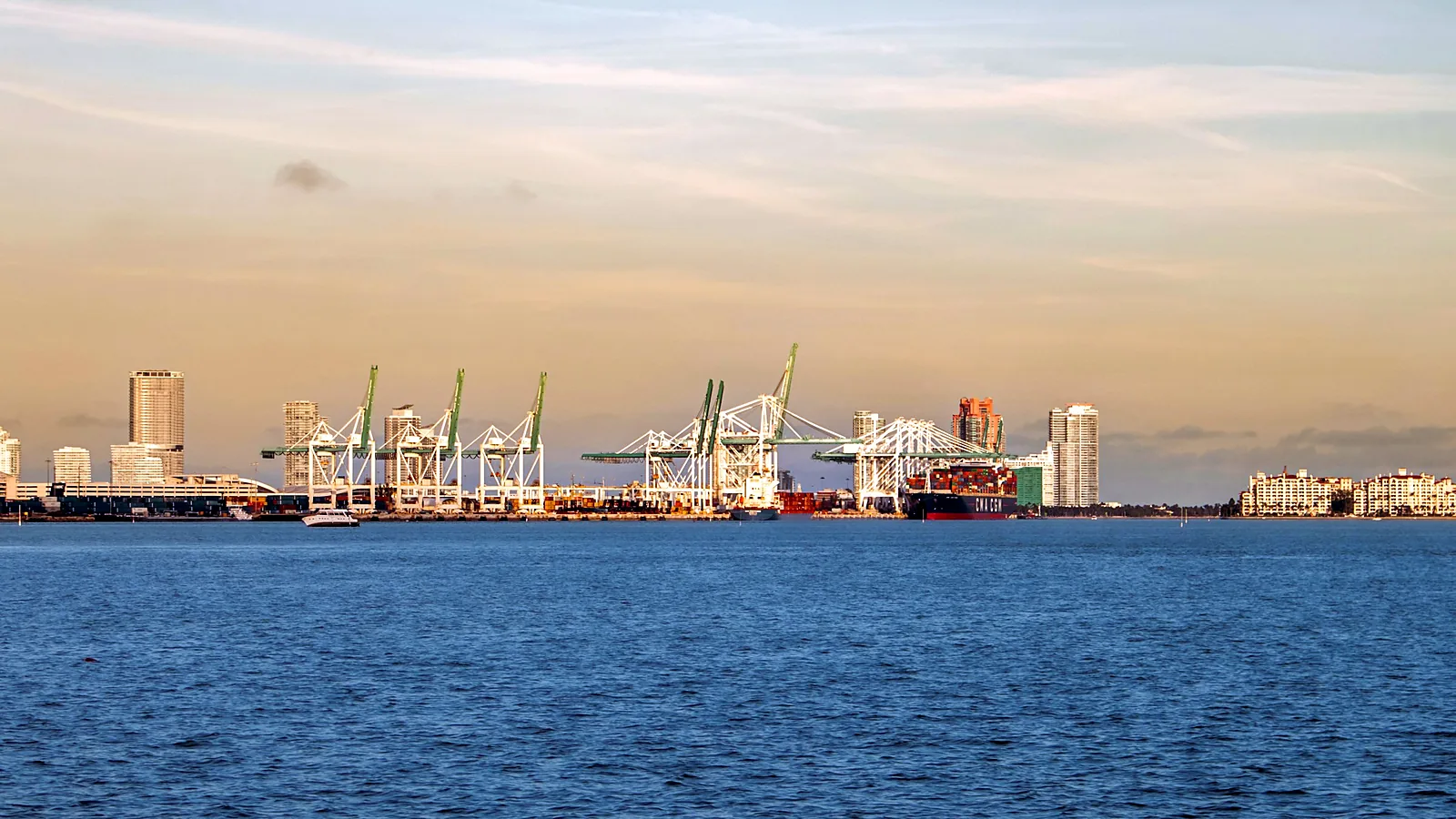
The Royal Commission for Jubail and Yanbu, which manages Yanbu Industrial City, describes it as its second industrial city, 350 kilometres northwest of Jeddah and 200 kilometres west of Madinah, covering 606 square kilometres. According to the Commission it hosts the largest oil export port on the Red Sea coast and the largest facility for handling petroleum and chemical liquids, and it is the western end of crude oil and natural gas liquids pipelines that run about 1,200 kilometres from the Eastern Province. The Commission also says the city's business climate attracts both domestic and international investors.
Visit Saudi, the official tourism site, tells the other half of the story. It calls Yanbu the diving capital of Saudi Arabia, names it and Jeddah as the Kingdom's two main Red Sea hubs for underwater adventure, and points visitors to Yanbu Beach for snorkelling and to Yanbu Al Nakhal, an archaeological site more than 2,000 years old.
Put those together and an English-language website in Yanbu usually has one of four readers:
The procurement engineer
Works for a plant, a contractor or a project management firm. Reads on a desktop, compares three or four suppliers in a spreadsheet, and is looking for reasons to rule you out.
The project traveller
A technician, auditor or consultant in town for a week or a month. Needs a quiet room, reliable internet, an early breakfast and an invoice in the company's name.
The diver
An expat resident from elsewhere in the Western Region, or a visitor from abroad. Reads on a phone, decides on photos, and books only when the safety details add up.
The expat family
Living in Yanbu for work and looking for a clinic, a school, a training course, a restaurant or a car service, often in English first.
Most Yanbu businesses still need Arabic as the base. English earns a full version when one of these readers already sends you enquiries. If many of your customers drive in from the holy city or the coast's largest city, the Madinah web design guide and the Jeddah web design guide cover those markets.
What each type of Yanbu business needs on its website
The table pairs common Yanbu businesses with their main reader, the role English usually plays, and the pages that do most of the selling.
| Business | Main reader | English | Pages that do the selling |
|---|---|---|---|
| Contractor or industrial supplier | Procurement and project teams | Usually essential, alongside Arabic | Capabilities, certificates, projects, downloadable profile, quote request |
| Marine, logistics or equipment services | Contractors and port users | Often needed | One page per service with scope and limits, service area, safety |
| Hotel or serviced apartments | Project travellers and leisure guests | Needed for both groups | Room pages, corporate stays, location, policies |
| Dive centre or boat trips | Divers and families | Often the first language of enquiries | One page per trip, safety and licence, meeting point |
| Training centre | Employers and job seekers | Depends on the courses | Course pages, schedules, accreditation, corporate enquiries |
| Clinic, school, restaurant | Residents, including expat families | Helpful for expat-heavy areas | Services or menu, location, hours, booking or contact |
A note on training centres and clinics
The Royal Commission notes that Yanbu Industrial City was accredited by UNESCO as an international learning city in 2022, and it describes healthcare, education and recreation facilities provided for residents. Training providers and clinics in the city serve a mixed, working population. For a training centre, that means course pages with clear prerequisites, dates and accreditation, plus a separate route for employers booking a group. For a clinic, it means doctors' specialities, languages spoken, insurance accepted and appointment booking. Our pages on websites for schools and training centres and websites for medical centres go further.
An industrial buyer reads to rule you out. A diver reads to feel safe. Know which one is reading.
Dive centres and boat trips: sell the day, prove the safety

Visit Saudi recommends Seven Sisters, a site with walls of brightly coloured coral where hammerhead sharks can be seen, and suggests picking up gear from a local Yanbu outfitter. Descriptions like that bring divers to your site. They do not make them book. A diver, especially one new to the Red Sea, wants to know whether the trip suits their level, who leads it and what happens if the sea turns rough.
One page per trip
Give each kind of trip its own page: try dives for beginners, boat dives for certified divers, snorkelling for families, and courses if you teach them. On every page, answer the same five questions:
- Who is it for? The certification level needed, any minimum age, and whether a medical questionnaire is required before diving.
- What is included? Equipment, boat, guide, drinks, and anything paid separately.
- How does the day run? Meeting time, approximate sailing time, number of dives, return time.
- What if the weather changes? A written postponement and refund policy, visible before booking.
- Where do we meet? A map pin on the actual meeting point, a photo of the entrance and where to park.
Proof matters more than reef photos
Experienced divers can tell stock reef photos from your own in a second. Use pictures of your boat, your equipment and your actual trips, with where and when they were taken. Show your licence and commercial registration details and your instructors' certifications as they are. Check with the relevant authorities which licence your activity needs, and display it. If you name a training agency, make sure the certification is current.
WhatsApp or a booking system?
A small operator running a few trips a week can work well with a WhatsApp button that opens a ready-made message asking for date, group size and certification level. Once you run daily trips with limited seats, a booking and appointment system that shows available places and sends confirmations and reminders starts to pay for itself. Do not start with a system you do not need, and do not stay on chat once bookings are getting lost in it.
Hotels and serviced apartments: the weekday engineer and the weekend family
Visit Saudi advises visitors to choose a hotel near the water in Yanbu's city centre. Many Yanbu properties, though, also host people who are there for work. Midweek demand can come from project staff, and weekends from families and divers. The two groups judge a hotel differently:
| What matters | Project traveller | Leisure guest |
|---|---|---|
| Location | Drive time to the industrial city and the port | Distance to the sea, the beach and restaurants |
| Room | A desk, reliable internet, quiet | Space for a family, a view, a pool |
| Booking | Long stays for a team, corporate rates, invoices in the company's name | One or two nights, quick booking on a phone |
| Services | Early breakfast, laundry, parking for larger vehicles | Boat trips, children's activities, late check-out |
You do not need two websites. You need a home page with two clear routes, such as "Work and project stays" and "Your Red Sea break", each leading to pages written for that guest and both pointing to the same room pages. On the corporate side, add a quote form for long stays that asks for headcount, dates and the company name, and a short fact sheet a coordinator can forward. On the leisure side, lead with photos and a booking or WhatsApp button. Our page on websites for hotels and furnished apartments covers the room pages in detail.
If you rent apartments to project teams for months at a time, state exactly what the rate covers: electricity, internet, cleaning, transport if offered. Project managers compare offers line by line, and the one that answers the question first tends to get the call.
Supplier and contractor websites that survive a shortlist
If you sell to plants, contractors or port users in Yanbu Industrial City, your website is often read before anyone calls you, and sometimes by a project manager who does not read Arabic. It will be judged against competitors on the same spreadsheet. Treat it as evidence, not as a brochure.
What a buyer checks in the first two minutes
- Capabilities, specifically. What you make, supply or install, to which specifications, sizes and quantities, and what you do not do. Vague lists of "solutions" get skipped.
- Certificates and safety. The quality and safety certifications you actually hold, with numbers and expiry dates, and your HSE policy if you have one. Never show a logo for a certification you do not hold.
- Project references. Type of work, scale, duration and site photos you are allowed to publish. If confidentiality agreements prevent naming clients, describe the project without the name.
- Equipment and people. Owned equipment where it matters, and the disciplines you cover, without inflated numbers.
- A downloadable profile. A bilingual PDF that matches the website, because buyers attach it to internal comparisons.
- A quote request form that works. It should ask for scope, quantity, location and timing, accept drawings or specifications, and reach a named person who replies.
Small things that cost you the shortlist
A free webmail address instead of one on your own domain. Expired certificates still on display. An English version with different figures from the Arabic one. A form that sends enquiries nowhere. Stock photos of "projects". Each is easy to fix and expensive to leave. If you need email on your own domain, see our guide to business email with your domain.
For the page structure itself, see the pages every company profile website needs, the B2B website guide for Saudi Arabia, and our page on websites for factories and industrial companies. Vendor registration and pre-qualification with large operators are covered in the Jubail web design guide, written for the Royal Commission's other industrial city.
Worked example: a marine and logistics services firm
A small firm moves equipment, offers short-term storage and provides some services near the port, and wants work from project contractors. Its site needs one page per service with scope, limits and the equipment used; a service area page; a certificates and safety page; a bilingual profile to download; and a quote form asking about cargo type, pick-up and delivery points and dates. It does not need a shop or a blog to start with. Our page on websites for logistics and transport companies has more.
Which Yanbu? Location, service areas and maps
When someone searches for "Yanbu", they might mean the industrial city, the city centre by the sea, or Yanbu Al Nakhal, which Visit Saudi describes as one of the three major sections of the city today. For someone looking for a restaurant or a clinic, the difference matters. Say clearly where you are and whom you serve:
- If customers come to you: the district name, a map pin on the real entrance, a photo of the front and directions from a road people know.
- If you go to customers, as contractors, maintenance and logistics firms do: a service area page listing the parts of Yanbu and nearby cities you actually cover.
- If you run boat trips: pin the meeting point, not the office. Divers go to the dock.
- For everyone: keep your name, phone, hours and address identical on the website and your Google profile. Our Google Business Profile guide for Saudi Arabia walks through the set-up.
Resist the temptation to create one near-identical page for each part of Yanbu with only the place name changed. Those pages do not help readers and can hurt how search engines see your site. Write a separate page only where you have a branch or a genuinely different service.
Web design Yanbu checklist: choosing a provider and working remotely
You may want a designer you can meet in Yanbu, or you may be happy to work with someone elsewhere in the Kingdom. Either can work. What matters is that the provider understands whether your buyers are engineers or holidaymakers, writes in both languages for real readers, and puts everything in writing. Before you sign, ask who writes and checks the technical English, whether you will see the design on a preview link, whose name the domain is registered in, what the price includes, and what happens if you do not like the design. Our guide on freelance web designer vs agency can help if you are weighing the two.
A remote project usually runs like this:
A short call
By phone or WhatsApp: your business, your customers and which market comes first.
Written scope and price
Pages, languages, forms, and what is out of scope. Do not start without it.
Your material
Certificates, project or boat or room photos, contact details. A website brief template helps you gather it.
Preview and feedback
Open the design on a preview link on your phone and an office computer, then send your notes in one message.
Launch and checks
The site goes live on your domain and is connected to Google's tools. Send a test quote request to make sure it arrives.
Web design in Yanbu with Webnaa
Webnaa is a web design company based in Riyadh. We serve Yanbu businesses remotely, through calls, WhatsApp and preview links. We do not have an office in Yanbu, and every agreement is in writing. What you can count on, whether you sell to plants or to divers:
- The consultation is always free, and we write your website content for you, from capability pages to trip and room descriptions.
- We send the design on a preview link within 24 hours of receiving your complete information, before it goes live on your domain.
- Hosting and SSL are included, with a domain in your name on every own-domain site.
- Arabic, English or both, with a full interface for each language rather than translated text.
- A money-back guarantee if you do not like the design during the design stage, under our refund policy.
Website design starts from SAR 39 a month for a one-page, one-language site on a Webnaa subdomain. The price of a site on your own domain depends on its type, languages and number of pages, and you can see it in seconds in the price calculator. Booking systems and custom web systems are separate services, quoted in writing after a free consultation. Details of the core service are on the website design service page.
A Yanbu website for the plant or the coast
Check your price in the calculator, then message us for a free consultation about your buyers, your languages and the pages you need.
FAQ
How much does web design cost in Yanbu?
It depends on the type of site, the number of pages and languages, and whether you need a booking system or custom forms. At Webnaa, design starts from SAR 39 a month for a single page, and the price calculator shows the cost of a site on your own domain. Custom systems are quoted in writing.
Do I need a web design company based in Yanbu?
Not necessarily. Most website projects run remotely, with a written scope, a preview link and calls or WhatsApp. What matters is that the provider understands your buyers and that you test the design on your phone and computer before launch.
Does a contractor or supplier in Yanbu need an English website?
Usually, if you sell to plants and large projects, because some buyers and project managers read in English and your profile may be compared internally in English. Keep both versions complete and identical in technical data and certificates.
What should a dive centre website in Yanbu include?
One page per trip with the level required, what is included, how the day runs and the weather policy, plus licence details, real photos of your boat and equipment, and a map pin on the meeting point.
Should I make separate pages for each part of Yanbu?
Only if you have a branch or a genuinely different service there. Near-identical pages that only swap the place name do not help readers. A clear service area page is usually enough.
Can I add a booking system to my website later?
Usually, yes. It is an addition with its own scope and price, so agree it in writing first. Start with what you need now and plan the pages so they can grow.
Summary
Web design for Yanbu starts with one question: is your reader a procurement engineer, a project traveller, a diver or a resident? Suppliers and contractors need specific capabilities, current certificates, honest project references, a bilingual profile and a quote form that works. Dive operators need one page per trip covering level, inclusions, the day, the weather policy and the meeting point. Hotels need two clear routes to the same rooms. In every case, say which part of Yanbu you serve, keep your map listing consistent with your site, and build a full English version when your enquiries show you need one.
Sources (consulted November 2026): Royal Commission for Jubail and Yanbu: Yanbu Industrial City; Visit Saudi: Yanbu. From Webnaa: price calculator and terms and conditions.